What to Look for When Buying a House in Ottawa Winter
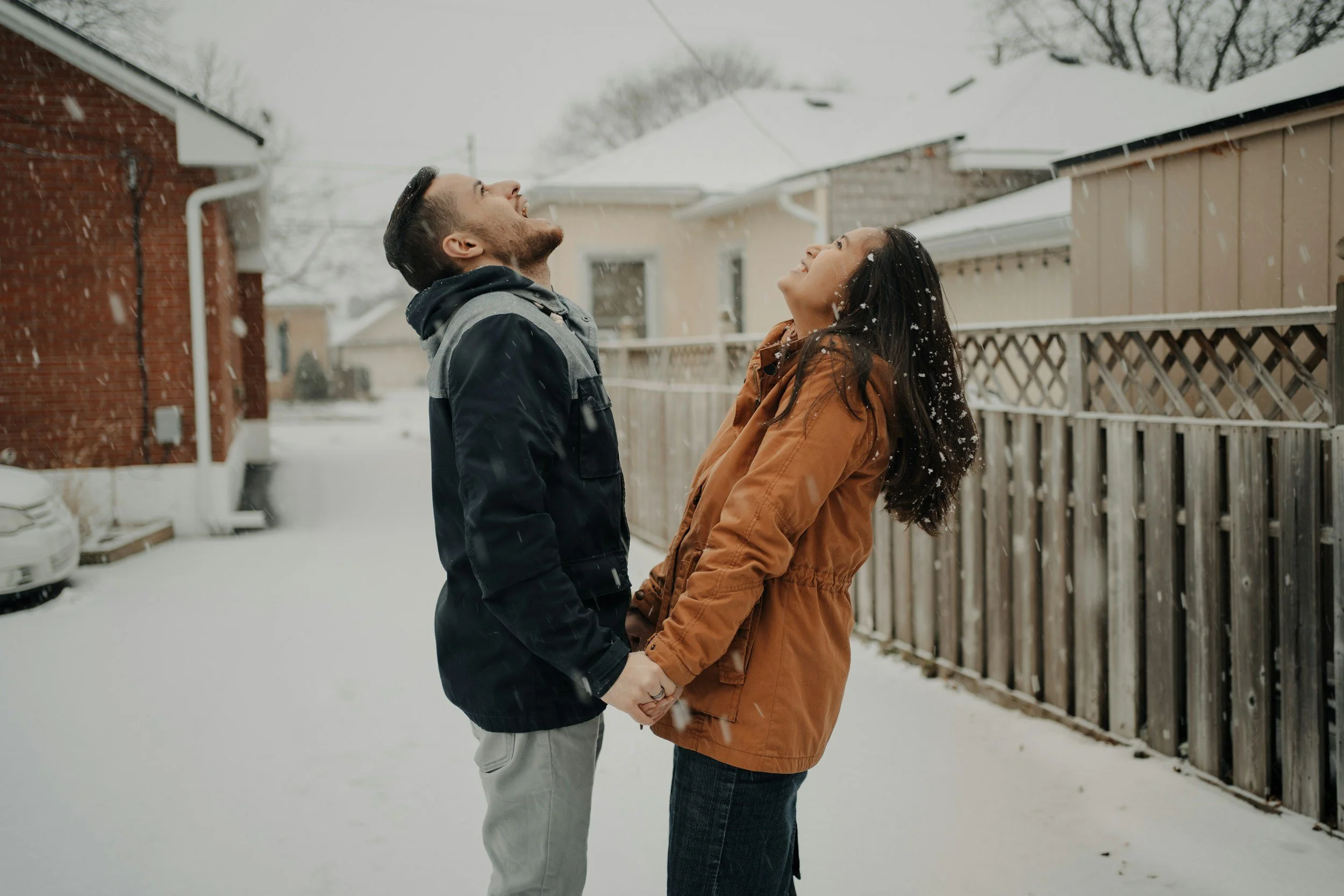
You learn the truth about an Ottawa house in February, not in June.
When the driveway is ice and the windows are fogged up, a home stops pretending. That is exactly why winter, if you know what to look for, can actually be the smartest time to buy.
This is not a basic checklist about “check the furnace” or “look at the roof.”
Here are the quick winter tests I walk my own Ottawa buyers through that you will not usually find in a generic Google search.
The 5 minute comfort test
Before you talk about finishes or paint colors, check how the house behaves.
Here is what I quietly have clients do on showings:
Stand just inside the front door for 30 seconds. Do you feel cold air pouring down the stairs or along the floor?
Walk to the furthest bedroom and pause. Is it noticeably colder than the main floor?
Sit on the toilet in a bathroom on an exterior wall. If you feel a draft on your legs, that is a real data point, not just a quirk.
You are not just asking, “Is it warm.” You are testing how balanced the heating is and whether there are problem zones that will annoy you every winter.
Read the roof and snow like an inspector
Winter gives you a live performance of how the house handles heat and cold.
Outside, look for:
Roof snow pattern
Fairly even snow is usually a good sign.
Big bare patches in the middle with snow on the edges can mean heat is leaking from the house and melting the snow from underneath.
Icicles
A few small ones are normal.
Heavy, thick icicles lined up along the eaves can point to heat loss and potential ice damming. That is when water can work its way under shingles.
Snow storage
Are big piles pushed right up against the foundation?
Is there anywhere for meltwater to go in a thaw, or will it just sit at the house?
This is information you only get in winter, standing in front of the home, not from staged photos.
Check the “hidden cold spots”
Most people stand near a window and say, “Feels fine.” I want you to go one level deeper.
Pay attention to:
Closets on exterior walls
Open the closet and touch the back wall. If it feels much colder than the room, that can hint at weak insulation behind it.Corners and baseboards
Run your hand along the baseboard in outside corners. That is where gaps in insulation and air sealing show up first.Outlets and switches on exterior walls
If you can literally feel air moving around an outlet in winter, you are feeling leakage behind the drywall.
These are the small clues that separate “just a bit chilly” from “this room never truly warms up in January.”
4. Ask questions most buyers never think to ask
Instead of stopping at “How old is the furnace,” go a step further.
I like to ask:
Can we see actual winter utility bills, not just an average?
Seeing January and February gas or hydro gives you a real-world sense of performance.How is the HRV or ventilation system used day to day?
An HRV that is installed but never serviced or used properly can affect moisture, comfort, and window condensation.Have you ever had ice build up along the eaves or water stains on upper walls or ceilings after a thaw?
Sellers often forget about “that one bad winter” unless someone asks specifically.Do you find the driveway or front walk gets extremely icy?
That usually ties back to grading, shade, and drainage. It sounds small, but you feel it every single week in winter.
These questions are about living experience, not just equipment age.
5. Test real life winter logistics
Finally, picture your actual Tuesday in February, not a sunny Saturday in June.
Ask yourself:
Where does all the winter gear land the second you come in the door?
If there is no proper landing zone near the entrance, your nice open space becomes a permanent pile of boots and bags.Can you realistically get from car to door with a kid, groceries, and snowbanks narrowing the driveway?
That tight corner that seems fine now can be a headache when the plow has been by.Where do garbage, recycling, and green bins live in winter?
If the only path is a narrow, icy side yard, you will be aware of it very quickly.
These details rarely show up on feature sheets, yet they define how a home actually feels to live in during an Ottawa winter.
Buying in winter is not about being brave in a parka. It is about using the season as a stress test.
If you walk into a house with these quiet checks in mind, you will see things most buyers miss and you can negotiate from a place of real insight, not guesswork.
That is the lens I bring when I walk Ottawa buyers through homes in January and February. The snow will melt. The way a house performs in the cold is what you will feel for years.